Structural thermal remediation uses commercial electric or indirect-fired heaters paired with high-velocity air movers to force heat deep into mattress seams, structural floorboards, and wall studs. Bed bug heat and…
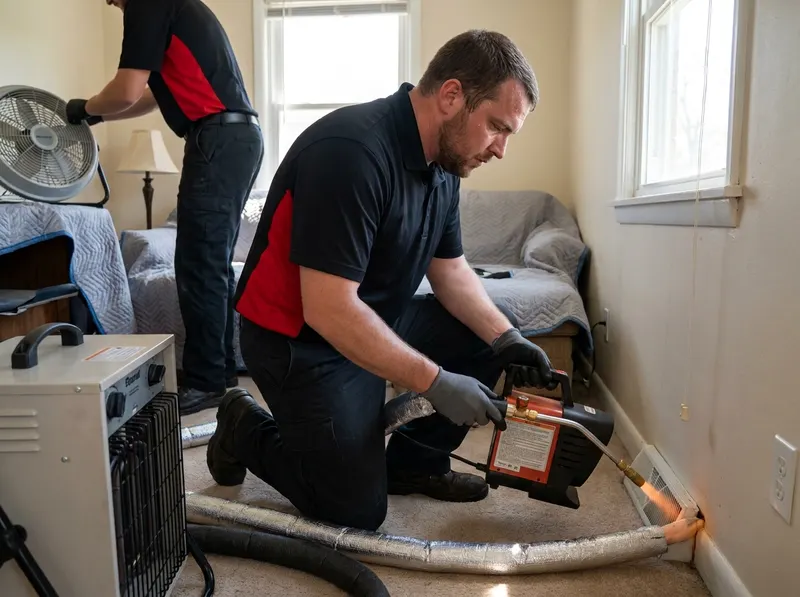
Structural thermal remediation uses commercial electric or indirect-fired heaters paired with high-velocity air movers to force heat deep into mattress seams, structural floorboards, and wall studs. Bed bug heat and residual eradication in Wichita establishes lethal core temperatures between 122°F and 135°F, which coagulates cellular proteins in adult bed bugs, nymphs, and eggs within minutes of contact. Because convective heat causes bed bugs to flee outward into cold wall voids, technicians immediately lay non-repellent residual insecticides and desiccating dusts inside electrical faceplates and perimeter floor joints. This secondary barrier eliminates pests attempting to harbor inside cooler structural framing. Chemical-only liquid sprays often require three to four disruptive visits because synthetic pyrethroids fail to penetrate the protective outer chorion layer of bed bug eggs, leaving newborn nymphs to hatch days later. Thermal eradication ends the breeding cycle in 1 day, while the microencapsulated residual product remains active on surfaces for up to 90 days to capture any insects carried back into the home on clothing or luggage.
Older architectural layouts common to College Hill, Crown Heights, and Riverside present dense plaster walls, original hardwood subfloors, and decorative baseboards that shelter deep nesting pockets unreachable by simple aerosol spraying. In multi-family rental units near Delano and Orchard Breeze, insect migration through shared utility conduits requires defensive perimeter chemistry to keep neighboring units insulated from movement. Slab-on-grade ranches throughout South City, Forest Hills, and Sleepy Hollow demand careful floor-level thermal monitoring to ensure concrete thermal bridging does not sap heat from baseboard edges. Technicians deploy continuous digital thermocouple sensors across the lowest room points, monitoring cold pockets at 6-inch increments above the baseboard to ensure uniform lethal exposure throughout the dwelling.
Preparing a residence for high-temperature intervention requires removing meltable plastics, wax candles, pressurized aerosol containers, medications, and sensitive electronics from the treatment zone. Heavy upholstered furniture, box springs, and dresser drawers are positioned away from drywall to permit 360-degree convection airflow. The trade-off between heat and long-term chemical application centers on preparation labor versus treatment speed: thermal eradication demands significant pre-treatment sorting and temporary relocation of pets and houseplants for 8 hours, yet delivers an immediate biological reset that isolated chemical spraying cannot achieve alone. Technicians confirm total clearance using specialized infrared thermal cameras alongside physical inspections of mattress seams, upholstered folds, and carpet edges.
Every job gets a firm, written price after a free on-site visit.
Tell us about your bed bug heat and residual eradication job in Wichita and we'll send a clear, written quote, usually the same day.
 Halvex Extermination